
B
O
S
S
A
U
T
O
Loading
How Does an Injection Molding Machine Work? A Step-by-Step Guide
10
Sep
How Does an Injection Molding Machine Work? A Step-by-Step Guide
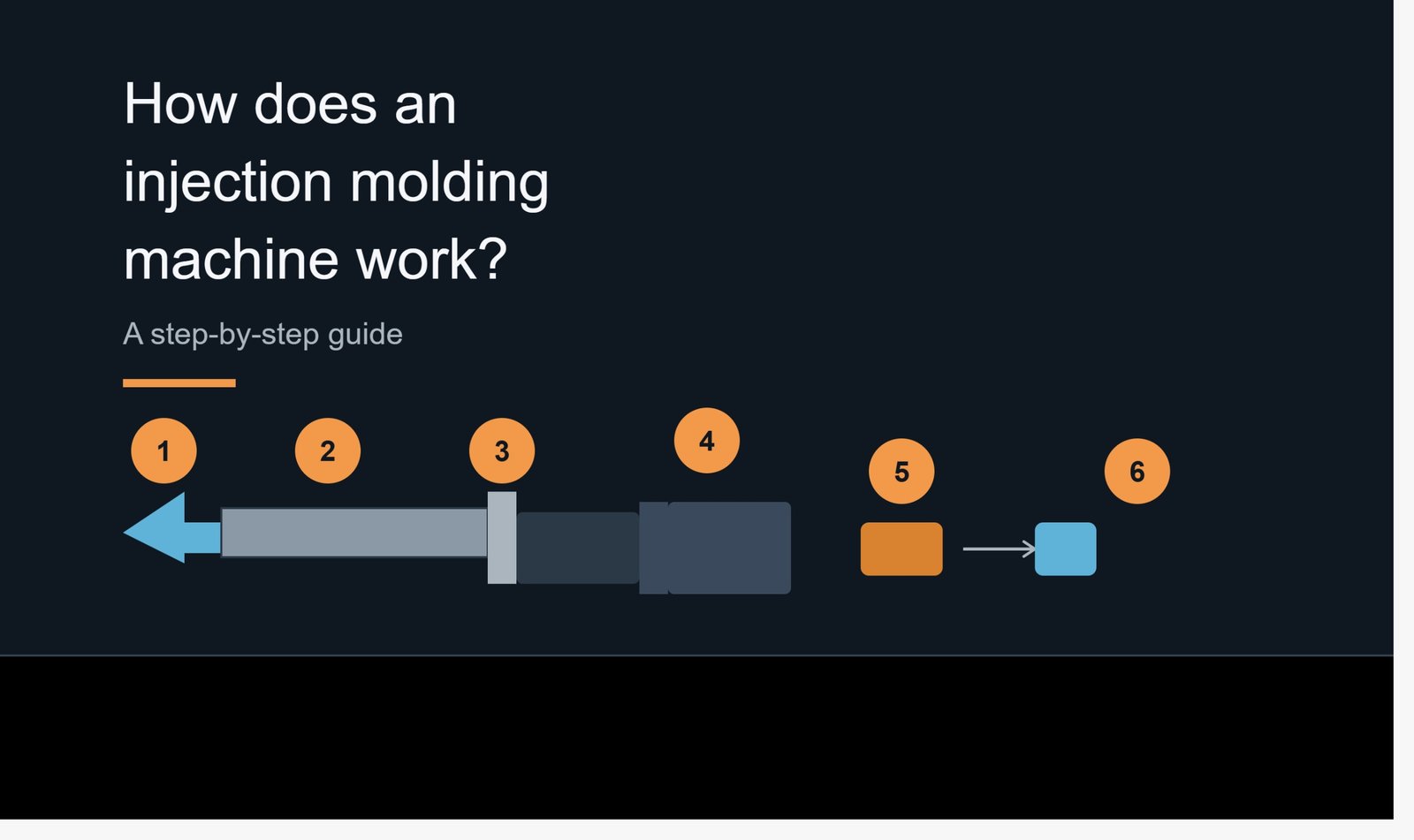
How Does an Injection Molding Machine Work?
Injection molding is one of the most widely used manufacturing processes for producing high-quality plastic products in large quantities. From food containers and household products to automotive components and industrial parts, injection molding machines help manufacturers produce consistent and precise plastic components efficiently.
But how does an injection molding machine work?
An injection molding machine works by melting plastic material, injecting the molten material into a specially designed mold under pressure, allowing it to cool and solidify, and then ejecting the finished product.
Understanding the working principle of an injection molding machine can help manufacturers select the right machine, improve production efficiency and maintain consistent product quality.
What Is an Injection Molding Machine?
An injection molding machine is industrial equipment used to manufacture plastic components by injecting molten plastic material into a mold cavity.
The basic process involves four major stages:
Plasticizing → Injection → Cooling → Ejection
The machine controls temperature, pressure, injection speed, clamping force and cycle time to produce the required plastic component.
Modern machines are available in different configurations, including servo injection molding machines, high-speed injection molding machines, toggle injection molding machines and fully automatic injection molding machines.
Main Components of an Injection Molding Machine
Before understanding the complete process, it is important to know the major components of an injection molding machine.
1. Injection Unit
The injection unit melts the plastic material and injects it into the mold.
It generally includes:
- Hopper
- Barrel
- Screw
- Heating elements
- Injection motor/system
- Nozzle
2. Clamping Unit
The clamping unit holds the mold securely closed during injection and cooling.
Its main functions include:
- Closing the mold
- Applying clamping force
- Opening the mold
- Supporting product ejection
3. Mold
The mold determines the final shape and dimensions of the plastic product.
Depending on the application, molds can be designed for products such as containers, automotive components, household products, electrical parts and industrial components.
4. Control System
The control system allows operators to set and monitor important parameters such as:
- Temperature
- Injection pressure
- Injection speed
- Holding pressure
- Cooling time
- Cycle time
- Screw position
How Does an Injection Molding Machine Work?
The injection molding process takes place through several controlled stages.
Step 1: Plastic Material Feeding
Plastic pellets or granules are loaded into the machine's hopper.
Common materials include:
- PP
- PE
- ABS
- PVC
- PET
- Nylon
- Other engineering plastics
The material then moves from the hopper toward the heated barrel.
Step 2: Plastic Melting and Plasticizing
Inside the barrel, heaters raise the temperature of the plastic material.
At the same time, the rotating screw moves the material forward and mixes it to create a uniform molten plastic.
The correct temperature and plasticizing conditions are important for achieving consistent product quality.
Step 3: Mold Closing and Clamping
Before injection begins, the mold closes.
The clamping unit applies sufficient clamping force to keep the mold closed during injection.
Choosing the correct machine tonnage is important because insufficient clamping force can lead to defects such as flash.
Step 4: Injection
Once the required amount of molten plastic is ready, the screw moves forward.
This pushes the molten plastic through the nozzle and into the mold cavity under controlled pressure and speed.
The plastic fills the cavity according to the design of the mold.
Step 5: Holding and Packing Pressure
After the mold cavity is filled, holding or packing pressure is applied.
This compensates for material shrinkage while the plastic begins to cool.
Correct pressure and timing help improve:
- Product dimensions
- Surface finish
- Product weight
- Overall consistency
Step 6: Cooling
The molten plastic needs time to cool and solidify inside the mold.
Cooling channels within the mold circulate cooling fluid to remove heat.
Cooling time is an important part of the overall injection molding cycle.
Efficient cooling can help manufacturers achieve shorter cycle times and higher productivity.
Step 7: Mold Opening
Once the plastic product has sufficiently cooled and solidified, the clamping unit opens the mold.
The finished component remains on one side of the mold.
Step 8: Product Ejection
The ejector system pushes the finished plastic component out of the mold.
The product can then be removed manually or transferred automatically using automation equipment.
The mold closes again and the next production cycle begins.
Injection Molding Cycle at a Glance
The complete process can be summarized as:
Material Feeding → Plasticizing → Mold Closing → Injection → Holding → Cooling → Mold Opening → Ejection → Repeat
Modern injection molding machines can automate these stages to achieve high production rates and consistent quality.
What Factors Affect Injection Molding Machine Performance?
Several factors can influence machine performance and finished product quality.
Machine Tonnage
The machine must provide sufficient clamping force for the mold and product.
Injection Pressure
Adequate injection pressure is required to properly fill the mold cavity.
Injection Speed
The correct injection speed can help improve filling performance and surface quality.
Temperature
Barrel and mold temperatures must be properly controlled according to the plastic material being processed.
Cooling Time
Insufficient cooling can cause deformation, while excessive cooling can increase cycle time.
Material Selection
Different plastics require different processing conditions.
Types of Injection Molding Machines
Injection molding machines are available in different configurations based on production requirements.
Servo Injection Molding Machines
Servo-driven machines can provide precise control and improved energy efficiency for many applications.
High-Speed Injection Molding Machines
These machines are designed for applications requiring fast injection and shorter production cycles.
Toggle Injection Molding Machines
Toggle machines use a toggle clamping mechanism and are widely used for various plastic manufacturing applications.
Fully Automatic Injection Molding Machines
Automation can reduce manual intervention and improve production consistency and productivity.
Applications of Injection Molding Machines
Injection molding machines are used across numerous industries, including:
- Household products
- Food containers
- Automotive components
- Electrical components
- Packaging products
- Medical products
- Industrial components
- Consumer goods
- Plastic accessories
How to Choose the Right Injection Molding Machine?
Before purchasing an injection molding machine, manufacturers should consider:
- Product size and weight
- Plastic material
- Mold dimensions
- Required clamping force
- Injection capacity
- Production volume
- Required cycle time
- Automation requirements
- Energy efficiency
- Machine reliability and after-sales support
Selecting the right machine according to the application can significantly influence production efficiency and operating costs.
Conclusion
An injection molding machine works through a carefully controlled sequence of plasticizing, injection, packing, cooling and ejection. Each stage plays an important role in producing accurate and consistent plastic components.
With modern technologies such as servo systems, high-speed injection and automation, manufacturers can achieve improved productivity, precision and efficiency.
For manufacturers looking for the right injection molding solution, understanding the machine's working principle is the first step toward making an informed investment.
Boss Automation provides injection molding machine solutions designed for diverse plastic manufacturing requirements.
Frequently Asked Questions
What is the basic working principle of an injection molding machine?
An injection molding machine melts plastic material and injects it into a mold under pressure. The material cools and solidifies before the finished product is ejected.
What are the main stages of injection molding?
The main stages are plasticizing, mold closing, injection, holding/packing, cooling, mold opening and ejection.
What is clamping force in injection molding?
Clamping force is the force used to keep the mold closed during injection. It is generally expressed in tonnes.
Which materials can be used in injection molding?
Common materials include PP, PE, ABS, PVC, PET, nylon and various engineering plastics.
How can injection molding cycle time be reduced?
Cycle time can be optimized through proper injection settings, efficient cooling, suitable machine selection, mold design and automation.